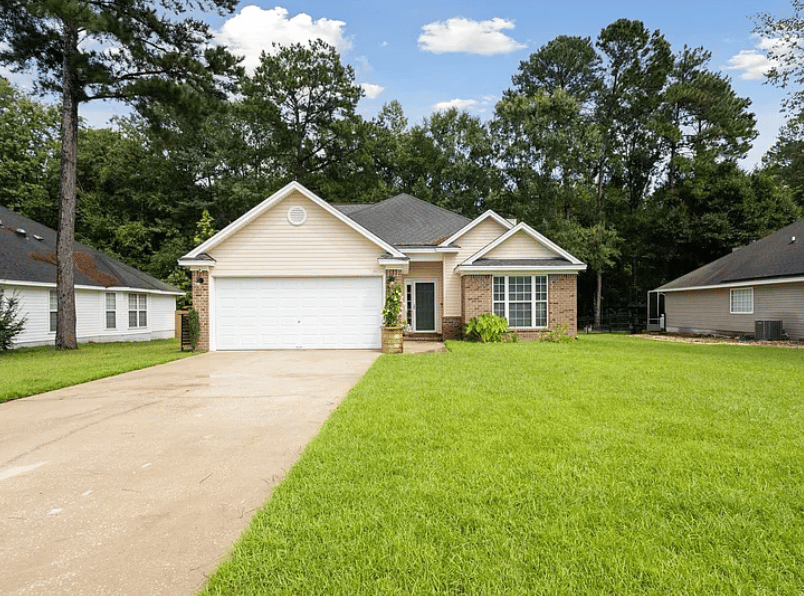
How Do I Know When I’m Actually Ready to Buy a Home in Statesboro, GA?
You’re “ready to buy” when three things are true: your monthly payment range is realistic and comfortable, your personal timeline supports a move (job, family, lifestyle), and you can execute the process cleanly (pre-approval, cash-to-close, and fast decision-making when the right home appears). In Statesboro, readiness is less about guessing the market and more about controlling your numbers and your plan.
How can you tell if you’re truly ready to buy a home right now?
- Your payment is comfortable: not just “approved,” but truly affordable for your life.
- You have cash-to-close clarity: down payment + closing costs + a practical cushion.
- Your timeline is stable: you’re likely staying put long enough for buying to make sense.
- You’re pre-approved (not just curious): your financing is ready before you fall in love with a house.
- You can decide without panic: you know your must-haves, dealbreakers, and next steps.
A lot of buyers wait for a moment that “feels perfect.” In real life, readiness is usually quieter than that. It looks like clarity: you know what you can afford, you know why you’re moving, and you’re prepared for the steps between “we love it” and “we got the keys.”
The best part: you don’t need to have everything figured out to start. You just need the right pieces in place so you don’t get pressured into a decision you’ll regret. Use the sections below as your Statesboro buyer readiness checklist.
1) Financial readiness: “Can I afford this without living on the edge?”
Most buyers focus on purchase price or interest rate. The better focus is your monthly payment comfort. If the payment works only when nothing goes wrong, it’s going to feel stressful fast—especially in your first year of homeownership when you’re buying furniture, handling move costs, and discovering small repairs.
Two helpful benchmarks:
- Comfort Payment: a payment that still feels fine if life gets expensive or unpredictable.
- Max Payment: the top end you can technically do, but it reduces flexibility.
If you’re shopping at the max payment, it doesn’t mean “don’t buy.” It means you should be extra disciplined about the home’s condition, inspection outcomes, and your cash cushion.
2) Cash-to-close clarity: “Do I understand what I’ll actually need at closing?”
One of the most common readiness gaps is buyers knowing their down payment but not understanding the rest of the cash needed to close. “Cash-to-close” typically includes your down payment plus closing costs (and any prepaid items required at closing). If you’re fuzzy here, the process can feel overwhelming fast.
A practical way to reduce stress:
- Ask your lender for a realistic range of closing costs early.
- Keep a separate moving + setup budget (utilities, deposits, furniture, initial maintenance).
- Maintain a cushion so the inspection doesn’t knock you off balance.
3) Timeline readiness: “Is this move aligned with my life for the next few years?”
Buying usually makes the most sense when you expect to stay long enough to benefit from stability and ownership. If your job may change, you may relocate, or your household needs are in flux, that doesn’t automatically rule out buying—but it changes your strategy.
In and around Statesboro, different neighborhoods and home types can fit different timelines. If you may move sooner, you might prioritize resale flexibility: location, layout, condition, and features that appeal broadly.
4) Process readiness: “Am I prepared to make an offer confidently when the right home appears?”
Many buyers start touring homes before they’re truly prepared. That’s not “wrong,” but it often creates emotional whiplash: you finally find the right home and then realize you’re not ready to act.
Strong readiness indicators:
- Pre-approval: not just pre-qualification, but a lender who has reviewed your documentation.
- Decision criteria: you can quickly say yes/no because you know your must-haves and dealbreakers.
- Execution: you can respond quickly to deadlines (documents, scheduling, negotiations).
Sellers often respond to certainty. The cleaner you can execute, the more leverage you tend to have—even beyond price.
5) Emotional readiness: “Can I buy without forcing perfection?”
Even smart buyers fall into perfection thinking: the perfect house, the perfect rate, the perfect timing. Readiness includes the ability to choose a home that fits your priorities without spiraling into “what if.”
A simple self-check:
- If you toured a home that met your top needs and fit your comfort payment, could you make a decision within 24–48 hours?
- If inspection reveals normal issues, could you negotiate calmly instead of feeling like the deal is “ruined”?
- If another buyer competes, can you stick to your plan instead of overbidding out of fear?
“Deb is extremely knowledgeable and made my overwhelming process feel so much smoother. Without her and her team, I don’t know if I would have bought a house!”
Key insight: “Ready” doesn’t mean confident every minute—it means prepared
It’s normal to feel nervous. Buying a home is a big decision. The goal isn’t to eliminate nerves—the goal is to remove avoidable stress by putting the right structure in place: budget clarity, financing readiness, and a realistic plan.
If you’re waiting to feel 100% certain, you may never move. But if you’re prepared, you can move forward with confidence even while you’re still feeling human.
Important considerations for Statesboro buyers
Statesboro can behave like several smaller markets at once. Some homes move quickly because they’re clean, well-priced, and in high-demand pockets. Others sit because of condition, layout, or pricing. Your readiness improves dramatically when you understand your “lane” (price range + must-have area + condition tolerance) and stay disciplined inside it.
If you want to feel more ready quickly, focus on these three actions:
- Lock your comfort payment: so you don’t second-guess affordability during the offer.
- Get pre-approved: so you can act when the right home appears.
- Define your dealbreakers: so you can make faster, calmer decisions.
“Ms. Deb was amazing in every aspect. We did not have any intentions of buying a home so when the perfect one came along, she played the most vital role in getting our things organized and ready in a time crunch. She was able to negotiate exactly what we needed despite having other offers on the home.
She truly made the buying process so easy and stress free! I could not recommend her enough! We will use her for all of our buying and selling needs in the future.”
FAQ
Do I need 20% down to buy a home in Statesboro?
No. Many buyers purchase with less than 20% down. The best option depends on your credit, income, debt-to-income ratio, and what monthly payment feels comfortable for you.
What’s the difference between pre-qualified and pre-approved?
Pre-qualification is usually an early estimate based on basic or self-reported information. Pre-approval typically involves deeper documentation review and is much stronger when you’re ready to make an offer.
How much money should I have saved beyond my down payment?
Plan for cash-to-close (down payment plus closing costs) and keep a cushion for moving expenses and early homeownership items. The right cushion depends on the home’s condition and your risk tolerance.
How long does it usually take to buy a home once I start looking?
It varies. Some buyers find the right home quickly; others take longer based on inventory, budget, and needs. Having your financing ready and your decision criteria clear helps you move confidently when the right home appears.
Next Steps
If you want a simple readiness plan—budget clarity, a realistic timeline, and a clean path from touring to closing—reach out. We’ll make the process feel organized before you commit to anything.
- Cell: (912) 737-4863
- Office: (912) 489-0067
- Email: [email protected]