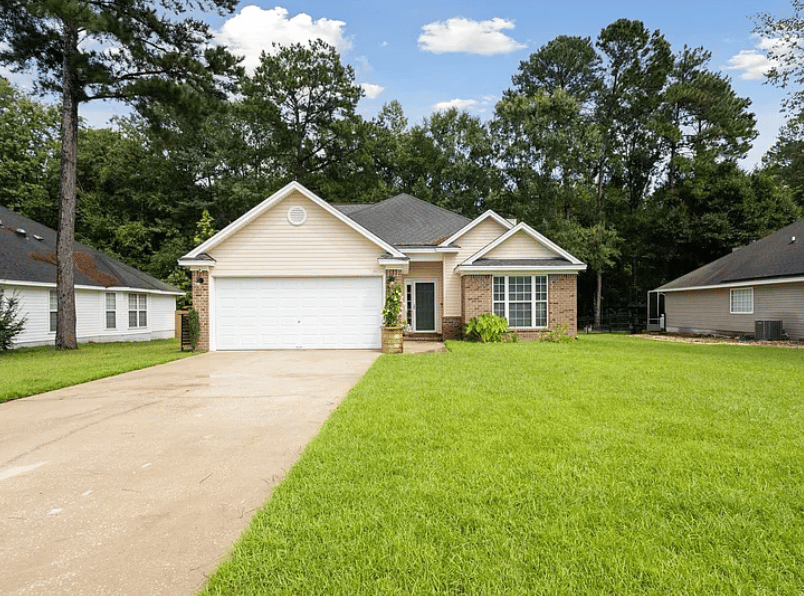
How Buying a Home in Statesboro, GA Differs From Larger Cities
Buying a home in Statesboro often feels different than buying in a larger city because the market is more neighborhood-driven, the “rules of value” can change block-by-block, and the best strategy usually depends more on property condition and local patterns than on big-city assumptions. If you bring a metro mindset into a smaller market without adjusting, you can misread pricing, timing, and what actually matters during due diligence.
So what’s actually different about buying in Statesboro compared to larger cities?
- Micro-markets matter more: value and demand can shift quickly by neighborhood and home type.
- Condition drives outcomes: repairs, updates, and maintenance can carry more weight than in some metros.
- Negotiation is more situational: strategy depends on the specific seller, property, and price band.
- Local context is everything: commute patterns, campus influence, and buyer mix affect decisions.
- Due diligence is your edge: inspections and practical ownership costs are often underestimated by relocating buyers.
When buyers come from larger cities, they usually bring a set of expectations: how quickly homes move, how pricing works, how competitive offers are, and what “good value” looks like. The challenge is that those expectations were shaped by a different ecosystem—different density, different buyer behavior, different development patterns, and often different negotiation norms.
Statesboro isn’t “easier” or “harder” by default. It’s just different. And the buyers who feel the most confident here are the ones who adjust their approach to match what actually drives outcomes locally.
1) In Statesboro, neighborhoods and home types can matter more than city-wide trends
In many major metros, broad city-wide trends dominate: a single narrative about pricing, competitiveness, and inventory often explains most of what you experience. In Statesboro, buyers often feel something different: one area can be moving quickly while another feels slower, even at similar price points.
That’s because smaller markets can behave like a set of micro-markets. Value is heavily influenced by:
- Neighborhood feel and proximity to daily needs
- Home condition and the level of updates
- Layout functionality (what actually works for people living there)
- Buyer mix (owner-occupied vs. investor interest in certain pockets)
The practical takeaway: don’t judge everything by “the market.” Judge by your lane—your price range, your must-have area, and your condition tolerance.
2) In smaller markets, “condition” can carry more weight than buyers expect
In some large cities, buyers are used to compromises: smaller square footage, older systems, or higher maintenance as the cost of location. In Statesboro, buyers can sometimes access more space or different home styles, but that doesn’t mean condition stops mattering. In fact, condition can be one of the most decisive variables in how a home shows, how it negotiates, and how it appraises.
This is where relocating buyers can misread value. A home that looks “like a deal” on paper may actually require expensive catch-up work. A home that feels “overpriced” may be priced for clean execution: better systems, fewer repairs, and less near-term maintenance.
A smarter lens is to ask:
- What will this home cost me in the first 12 months after closing?
- What systems are near end-of-life (roof, HVAC, plumbing, electrical)?
- What upgrades are cosmetic vs. what upgrades reduce risk?
3) Negotiation feels different because seller motivation and execution matter more than “metro playbooks”
In bigger cities, some buyers are trained to think negotiation is formulaic: list price is either a starting point or it isn’t, you escalate or you don’t, and you win with speed. In Statesboro, negotiation often feels more situational. The best strategy depends on the specific home, its condition, the seller’s goals, and how confident the seller is that the deal will close cleanly.
What many buyers underestimate is how much “clean execution” can matter:
- Strong pre-approval and responsive lending
- Reasonable deadlines and organized paperwork
- Clear inspection approach (protective, but not chaotic)
- Practical repair requests focused on real risk, not a long list of minor items
Sometimes you win by offering more. Other times you win by being the buyer the seller trusts not to fall apart halfway through.
4) Local lifestyle patterns change what “good location” means
A big-city buyer often evaluates location through a metro lens: walkability, transit lines, entertainment corridors, commute to downtown, and density. In Statesboro, “good location” can mean something different: proximity to work, everyday convenience, the vibe of specific areas, and the rhythm of local traffic patterns.
This is especially important if you’re relocating. What looks close on a map may feel different in daily life. What looks “quiet” may be exactly what you want—or it may feel too far from what you’re used to.
The practical move is to define your version of convenience:
- How important is being near shops, campus, or key amenities?
- Do you want newer construction, or do you prefer character and established neighborhoods?
- Do you need a particular commute window or proximity to family?
5) Due diligence becomes your advantage (especially inspections and ownership costs)
In any market, inspection matters. But buyers from larger cities sometimes underestimate how much inspection outcomes can shape their decision in a smaller market—because condition is often so closely tied to perceived value and resale flexibility.
A strong inspection strategy is simple:
- Separate issues into safety/structural, system health, and cosmetic.
- Negotiate the items that change risk or real cost—not a long list of every minor detail.
- Use inspection to decide: proceed, renegotiate, or walk away with clarity.
When buyers do this well, they don’t just “buy a house.” They buy a plan they can live with.
“Deb is extremely knowledgeable and made my overwhelming process feel so much smoother. Without her and her team, I don’t know if I would have bought a house!”
Common misconception: “A smaller market means fewer moving parts.”
The process still has the same fundamentals: financing, appraisal, inspection, title work, and deadlines. What changes is how much local context influences good decisions. In a smaller market, being slightly off on neighborhood fit, condition tolerance, or resale appeal can matter more—because you’re not relying on broad metro demand to smooth everything out.
The good news is that clarity solves this. When you adjust your expectations and use a local lens, buying in Statesboro can feel more straightforward than a big city—because your decision criteria become simpler and more grounded.
Important considerations for Statesboro buyers
If you’re coming from a larger city, your fastest path to confidence is to stop asking “Is this normal where I’m from?” and start asking “Is this normal here?” That shift helps you evaluate pricing, condition, and location based on what actually drives value locally.
Three practical ways to buy smarter in Statesboro:
- Choose your lane: define the neighborhoods and home types you’ll focus on so you don’t compare apples to oranges.
- Price with condition in mind: the “cheaper” home can be more expensive if systems and maintenance stack up.
- Prioritize execution: pre-approval, deadlines, and inspection strategy often matter as much as offer price.
“Ms. Deb was amazing in every aspect. We did not have any intentions of buying a home so when the perfect one came along, she played the most vital role in getting our things organized and ready in a time crunch. She was able to negotiate exactly what we needed despite having other offers on the home.
She truly made the buying process so easy and stress free! I could not recommend her enough! We will use her for all of our buying and selling needs in the future.”
FAQ
Is buying a home in Statesboro faster or slower than in a big city?
It depends on inventory and your price range, but many buyers find it feels simpler when expectations are clear and your financing is ready. The biggest time-saver is being pre-approved and decisive when the right home appears.
Do I need a different strategy in Statesboro than I would use in a major metro?
Yes. Strategy often shifts from competing on speed and escalation to focusing on neighborhood fit, property condition, inspection planning, and clean execution. The best approach depends on the home and the seller’s motivation.
What surprises buyers most when moving from a larger city to Statesboro?
Buyers are often surprised by how quickly micro-markets change by neighborhood, how much condition and layout drive value, and how important local guidance is when evaluating areas, commute patterns, and resale flexibility.
Next Steps
If you’re relocating from a larger city (or just trying to understand how Statesboro really works), reach out. A short conversation can save you weeks of uncertainty and help you focus on the neighborhoods and home types that fit you best.
- Cell: (912) 737-4863
- Office: (912) 489-0067
- Email: [email protected]