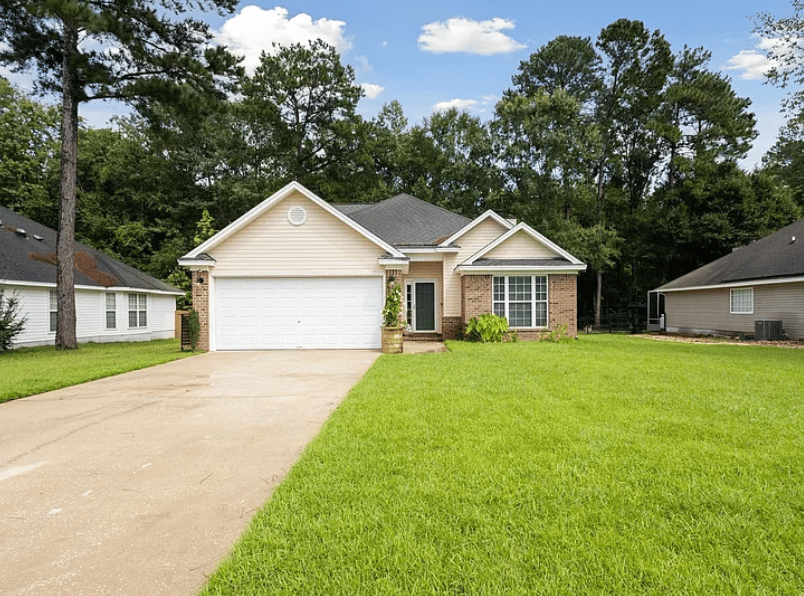
Maybe, but many retirees do not owe federal capital gains tax when selling their primary residence. If you qualify, the IRS allows you to exclude up to $250,000 of gain if single or up to $500,000 if married filing jointly. Retirement by itself does not create a special home-sale tax rule, so the key factors are ownership, use, profit, filing status, and Georgia tax treatment. IRS guidance confirms the $250,000/$500,000 exclusion and the ownership and use tests.
Will I Owe Taxes When I Sell My Home After Retirement?
- You may owe no federal capital gains tax if your profit falls within the IRS home-sale exclusion.
- To qualify, you generally must have owned and lived in the home as your main home for at least two of the five years before the sale.
- Home improvements may increase your cost basis and reduce taxable gain.
- Georgia generally does not tax capital gains differently from other income.
- A CPA or tax advisor should review your situation before you list, especially if you have owned the home for decades.
The Direct Answer for Mature Georgia Homeowners
If you are a mature homeowner in Statesboro, Swainsboro, Metter, Claxton, Sylvania, Millen, Guyton, Portal, or the surrounding Georgia counties, the tax question usually comes down to this: how much profit will you have after subtracting your adjusted basis from your sale price?
Your “gain” is not simply the full sale price. It is generally the sale price minus what you paid for the home, qualifying improvements, and certain selling expenses. For example, if you bought your home many years ago for $125,000, made $75,000 in qualifying improvements, and sell for $425,000, your gain may be closer to $225,000 before other adjustments.
That matters because the IRS home-sale exclusion may allow you to exclude up to $250,000 of gain if you are single or up to $500,000 if you are married filing jointly. If your gain is below the applicable limit and you meet the rules, you may not owe federal capital gains tax on the sale.
The important point is this: retirement does not automatically make the sale tax-free. The exclusion is based on the home, your use of it, your ownership history, your filing status, and whether you have used the exclusion recently.
What Counts as Your Primary Residence?
Your primary residence is generally the home you lived in as your main home. For many mature homeowners in Bulloch, Emanuel, Candler, Evans, Screven, Jenkins, and nearby counties, this may be the house where you raised your family, retired, or lived for many years.
To qualify for the federal exclusion, you generally must meet two tests:
- Ownership test: You owned the home for at least two years during the five-year period before the sale.
- Use test: You lived in the home as your main home for at least two years during that same five-year period.
The two years do not always have to be continuous, but your situation should be reviewed carefully if you moved out, rented the home, entered assisted living, transferred the home into a trust, or remarried after owning the property.
This is where mature homeowners need to be especially careful. A home that “feels” like your primary residence may not qualify if you have not lived there recently enough. On the other hand, some homeowners who have moved for health-related reasons may still have planning options. A tax professional can help determine how the rules apply to your facts.
How Home Improvements Can Affect Your Taxable Gain
One of the most overlooked parts of the tax conversation is adjusted basis. Your basis usually starts with what you paid for the property, but it can increase when you make qualifying capital improvements.
Examples may include:
- Adding a new roof
- Building an addition
- Replacing major systems
- Installing new flooring throughout the home
- Adding a garage, porch, or permanent structure
- Major kitchen or bathroom renovations
Routine maintenance, such as painting a room or fixing a broken faucet, usually does not have the same tax impact as a capital improvement. But larger improvements can matter, especially if you have owned the home for 20, 30, or 40 years.
Before selling, gather old receipts, contractor invoices, closing statements, and improvement records. Even if you do not have everything, it is better to start collecting documentation before the home goes on the market. Your CPA can help determine which expenses may count.
“Deb Hagan is the absolute best! She has guided us through the purchase of our property & the sell of our house and is always professional. More than anything Deb was caring and was always there for us through the whole process and I couldn’t recommend her more!”
Common Misconceptions About Selling After Retirement
Misconception #1: Retirees automatically avoid capital gains tax.
That is not correct. Retirement status does not automatically eliminate tax. The IRS exclusion rules still apply.
Misconception #2: You are taxed on the full sale price.
Usually, no. Tax is based on gain, not the entire selling price.
Misconception #3: If you lived there a long time, you are always safe.
Long ownership helps, but it does not automatically solve every issue. Your profit, basis, filing status, and recent use still matter.
Misconception #4: Georgia ignores the sale.
Georgia does not tax capital gains differently from other income, so state tax may still matter depending on your taxable gain and overall income.
Important Considerations Before You List
Before listing your home, mature homeowners should think beyond the sale price. The better question is: what will you actually keep after closing costs, loan payoff, taxes, moving costs, and your next housing decision?
Here are smart steps to take before selling:
- Ask a real estate professional for a realistic market value range.
- Ask your CPA to estimate possible capital gains exposure.
- Gather records for improvements and prior purchase documents.
- Review whether the home is owned individually, jointly, in a trust, or through an estate.
- Think through your next move before accepting an offer.
This is especially important in smaller Georgia markets where home values, acreage, inherited property, and long ownership histories can create very different outcomes from one homeowner to another.
“Deb Hagan and her team are awesome!!! We couldn't have ask for a better realtor than Deb. We were selling a house for the very first time and had no idea what we needed to do. Deb walked us through each and every step, answering many, many questions for us along the way. From the date the listing came out until we were under contract was less than 2 weeks and now only 6 weeks from listing we have already closed on the sale. It is very obvious that Deb loves what she does and that she have the best interest of her clients at heart. She is exceptional both professionally and personally. We would recommend her and The Deb Hagan Team to anyone. You couldn't find a better Team! Thanks Deb for all you did for us.”
FAQ
Do retirees pay capital gains tax when selling a home?
Some do, but many do not. If you qualify for the IRS primary residence exclusion, you may exclude up to $250,000 of gain if single or $500,000 if married filing jointly.
Does Georgia tax capital gains from selling a home?
Georgia generally does not tax capital gains differently from other income. If your gain is taxable federally, it may also affect your Georgia income tax situation.
Should I talk to a CPA before selling my home?
Yes. A real estate agent can help estimate market value and likely selling costs, but a CPA should review your specific tax exposure before you make final decisions.
What if I moved out before selling?
You may still qualify if you meet the ownership and use tests within the five-year period before the sale. If you moved out several years ago, rented the home, or entered assisted living, get tax advice before listing.
Next Steps
If you are thinking about selling your home after retirement in Statesboro, Swainsboro, Metter, Claxton, Sylvania, Millen, Guyton, Portal, or the surrounding Georgia area, start with clarity. Find out what your home may sell for, what you may owe, and what your next step should look like before you make a major decision.
Contact Deb Hagan
Cell: (912) 737-4863
Office: (912) 489-0067
Email: [email protected]
This article is for general educational purposes only and is not tax, legal, or financial advice. Always consult a qualified CPA, tax advisor, or attorney before making decisions based on your specific situation.


