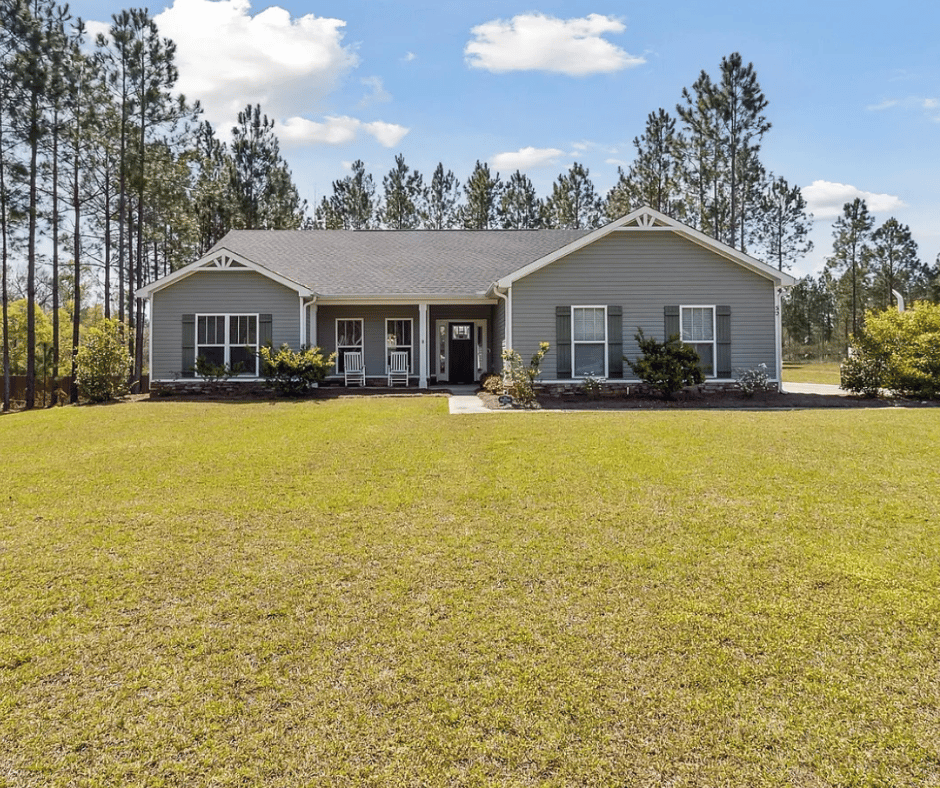
Why Isn't My Bulloch County Home Selling—and What Should I Change?
Why isn't my Bulloch County home selling—and what should I change?
If your Bulloch County home isn't selling, review the price, condition, presentation, marketing, showing activity and buyer feedback before deciding what to change. Don't assume a price reduction is automatically the answer—the goal is to identify where buyers are losing interest and make the change most likely to improve your home's position.
Why Isn't My Bulloch County Home Selling?
- Price: Buyers may not see enough value compared with competing properties.
- Condition: Repairs, deferred maintenance or visible issues may be creating hesitation.
- Presentation: Photos, staging or the way the property shows may not be highlighting its strongest features.
- Marketing: The listing may not be communicating the home's value clearly enough to the right buyers.
- Buyer feedback: Showing activity and feedback can reveal patterns that deserve attention.
- Competition: Buyers may simply believe another available property gives them more for their money.
Start by Diagnosing the Problem Before Changing the Strategy
When your home has been on the market longer than you expected, it's natural to wonder what went wrong. You may also feel pressure to do something quickly.
But changing things without understanding the problem can lead to the wrong solution.
A better approach is to diagnose what's happening.
Start with the activity your listing has received. Are potential buyers finding the property? Are they scheduling showings? Are people viewing the home but deciding not to make an offer? Have you received offers, but none that you considered acceptable?
Those are different problems, and they may require different responses.
If buyers aren't discovering or viewing the property, you may need to examine how the home is positioned and marketed.
If buyers are scheduling showings but consistently deciding against the property, the issue may be related to price, condition, presentation, competition or another characteristic buyers discover after seeing the home.
If you're receiving offers but rejecting them because they're lower than expected, that's another signal worth examining. The question becomes whether those offers are isolated low bids or whether buyers are consistently placing the home's value below your expectations.
This is why simply asking, "Why isn't my house selling?" isn't enough.
Ask instead:
"At what point are buyers losing interest in my property?"
That question can help you determine what to investigate next.
Is the Price Preventing Your Home From Selling?
Price is one of the first things sellers think about when a home isn't selling, but the issue deserves more analysis than simply deciding to cut the asking price.
Buyers don't evaluate your property in isolation. They're often comparing it with other homes available to them.
That means your home is effectively competing for their attention and money.
Imagine a buyer comparing two properties. If both appear to meet the buyer's needs but one offers better condition, updates, location, features or overall value at a similar price, the buyer may choose that property instead.
Your question therefore isn't only:
"Is my asking price reasonable?"
It's also:
"How does my home compare with the alternatives a buyer can choose?"
This distinction matters.
You may have based your price on what you paid for the property, improvements you've made, how much money you need from the sale or what another home sold for previously. Those factors may matter to you financially, but buyers are making their own comparisons.
Before changing the price, review relevant competing and recently sold properties with your real estate professional. Look beyond a single number. Consider characteristics that could affect how buyers compare the homes.
Because no current Bulloch County market report was provided for this article, there is no responsible way to claim that homes are currently appreciating, declining, selling within a particular number of days or receiving a specific percentage of asking price. Those conclusions should come from current local data.
The objective is to determine whether your home's price still makes sense based on the evidence available now—not simply the expectations you had when you originally listed it.
What Are Buyers Telling You Through Showings and Feedback?
One of the most useful sources of information may already be available to you: the behavior of the buyers who have considered your property.
Don't focus only on individual comments. Look for patterns.
One buyer saying the kitchen feels dated doesn't necessarily mean you should renovate the kitchen. But if multiple unrelated buyers identify the same concern, that pattern deserves attention.
The same applies to price.
A single buyer saying your home is overpriced isn't proof that it is. Consistent feedback combined with limited offers and stronger competing options can be more meaningful.
Separate feedback into categories:
- Price or perceived value
- Condition and maintenance
- Presentation
- Layout or property characteristics
- Location-related considerations
- Issues that can realistically be changed
- Issues that cannot realistically be changed
That last distinction is particularly important.
If buyers dislike a paint color, you can change it. If they repeatedly notice deferred maintenance, you can evaluate whether addressing it makes financial sense.
But you can't change the property's location or lot configuration.
When an objection can't reasonably be changed, the solution may instead involve how the home is positioned and priced relative to competing properties.
“Deb was so incredibly helpful throughout the process of selling our home. She was always communicative, and she was constantly helping us understand all the information that we needed to know. I would highly recommend using Deb if you are buying or selling a home!”
Does Your Listing Make Buyers Want to See the Home?
Before a buyer walks through your front door, your listing has to earn their attention.
That makes presentation and marketing important parts of the diagnosis.
Review your listing from the perspective of someone who knows nothing about your home.
Do the photographs clearly show the property? Does the listing lead with the home's strongest features? Is the description useful and specific, or does it rely on generic language? Are important property details easy to understand?
Most importantly, does the listing give a qualified buyer a reason to take the next step and see the property?
You should also evaluate the home itself.
Cleanliness, clutter, lighting, visible maintenance issues and how easily buyers can understand each room's purpose can influence the showing experience.
This doesn't mean every home needs expensive renovations before it can sell.
In fact, spending money without understanding the likely return can create another problem. Before undertaking a major project solely for resale, consider whether buyers are actually identifying that issue and whether the improvement is likely to materially change the property's marketability.
Sometimes the appropriate adjustment is substantial. Sometimes it's relatively simple. And sometimes presentation isn't the main issue at all.
The objective is not to make random improvements. It's to identify what is creating friction for buyers and determine which changes are reasonable.
Should You Lower the Price—or Change Something Else?
This is usually the question sellers eventually reach.
If your Bulloch County home hasn't sold, should you lower the price?
Maybe—but price shouldn't be changed simply because a certain number of days have passed.
Look at the evidence first.
If your home is receiving little interest despite adequate exposure, evaluate whether buyers have better alternatives at your current price.
If you're receiving plenty of showings but no offers, examine what buyers are consistently saying after seeing the property.
If several issues can be corrected reasonably, improving the home's condition or presentation may deserve consideration.
If the objections involve characteristics you can't change, pricing and positioning may become more important.
There is also a difference between making a meaningful strategic adjustment and repeatedly making small changes without a clear reason.
Ask your agent to explain the evidence behind the recommendation.
If the recommendation is to change the price, ask why. What competing properties are influencing that conclusion? What has happened since the home was originally listed? What does the showing activity suggest?
A good strategy should be explainable.
Important Considerations for Bulloch County Sellers
Real estate is local, which is why your strategy should be based on current information relevant to your property rather than national headlines alone.
A national housing story cannot tell you exactly how buyers are responding to your home in Statesboro or elsewhere in Bulloch County.
Your property's price range, location, condition, features and competition can all affect how buyers evaluate it.
This is also why broad rules such as "reduce the price after X days" can be too simplistic without context.
Instead, review your listing as a complete system:
- Is the property reaching potential buyers?
- Are buyers scheduling showings?
- What happens after those showings?
- What feedback patterns are emerging?
- How does the home compare with competing choices?
- Has the competitive environment changed since you listed?
- Which objections can reasonably be corrected?
- Which objections need to be reflected in positioning or price?
Those questions give you something more useful than guessing: a framework for deciding what to change.
“Deb Hagan is more than just a real estate agent; she is part of our community and has watched it grow for 20 years. Deb was always quick to respond to any questions we had and was a pleasure to partner with. She combines her local knowledge, her industry expertise with a data-driven approach to ensure her clients make the best informed decisions. Whether you are buying your first home or selling a luxury estate, she will leverage her expertise to find the perfect match.”
FAQ
Why isn't my home selling in Bulloch County?
There may not be one single reason. Review your price, condition, presentation, marketing, showing activity, buyer feedback and competing properties. The pattern of buyer behavior can help identify where interest is being lost.
Should I lower the price if my Bulloch County home isn't selling?
Not automatically. First evaluate your current competition, showing activity, buyer feedback, condition and presentation. If the evidence indicates buyers don't see enough value at the current asking price, a pricing adjustment may deserve consideration.
What does it mean if I'm getting showings but no offers?
Showings without offers suggest buyers are interested enough to investigate the property but something is preventing them from moving forward. Look for recurring feedback and compare your home's price, condition and overall value proposition with the alternatives those buyers can purchase.
What Should You Do Next?
If your Bulloch County home isn't selling, don't start changing things randomly. Start with the evidence.
Review the listing's exposure, showing activity, feedback, condition, presentation, competition and price together. Then determine which factor—or combination of factors—is most likely preventing buyers from moving forward.
If you're selling a home in Statesboro or elsewhere in Bulloch County and want another perspective on why it isn't selling, Deb Hagan can help you review the property's current positioning and discuss what may be worth changing.
Deb Hagan
Cell: (912) 737-4863
Office: (912) 489-0067
Email: [email protected]