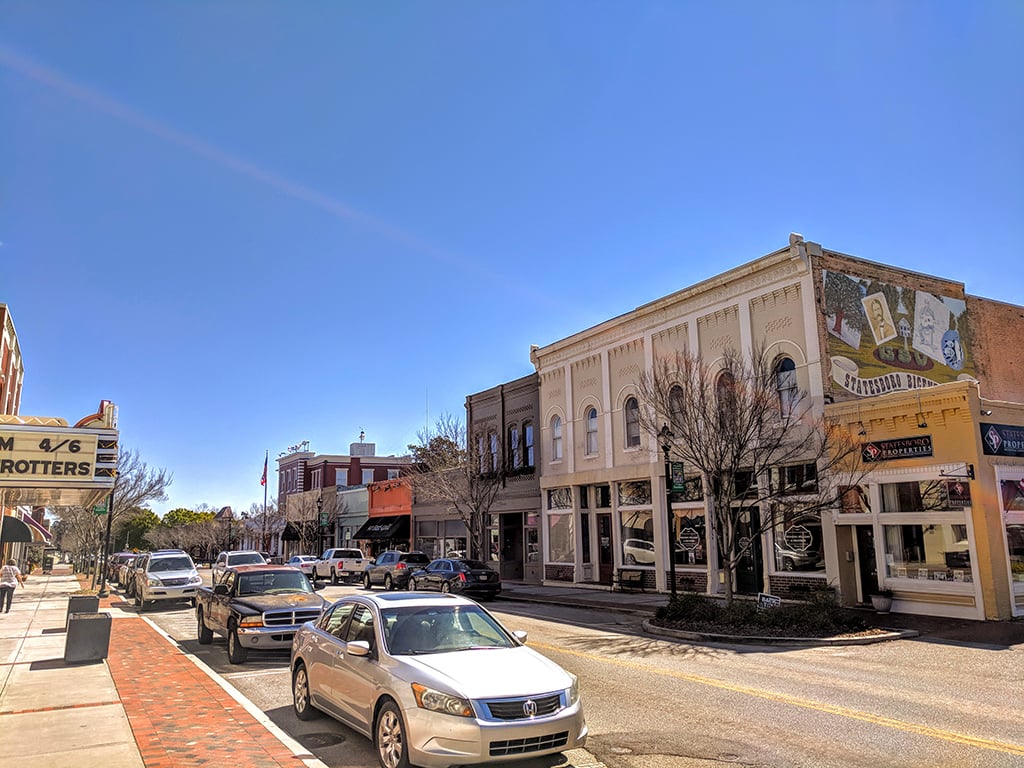
What’s Changing in Statesboro That No One’s Talking About?
A lot is changing in Statesboro—but not always in ways that show up in headlines. The biggest shifts are quieter: the feel of certain neighborhoods, the true monthly cost of owning or renting, the influence of turnover and rentals, and the growing gap between what locals expect housing to cost and what it actually costs now.
So what’s changing in Statesboro that no one’s talking about?
- Total monthly cost is the real story: payments, insurance, taxes, repairs—many locals feel the squeeze even when prices look “normal.”
- Neighborhood turnover is reshaping the vibe: more move-outs, more rentals, and fewer long-term owners changes how streets feel.
- Rental pressure affects everyone: rents influence what buyers can afford and what sellers expect—especially in a college-driven market.
- People are delaying moves: not because they want to, but because uncertainty makes it feel safer to do nothing.
- The hidden risk: waiting can quietly remove options—until a life event forces a rushed decision.
The shift locals feel first: “It’s not the price… it’s the monthly cost.”
When locals talk about affordability, the conversation usually starts with home prices. But the real day-to-day change is the total monthly cost. Even if a home’s price doesn’t feel outrageous, the monthly number can. That’s because real housing cost is made up of multiple moving parts:
- Mortgage payment (rate + price)
- Property taxes
- Homeowners insurance
- Maintenance and repairs (which never stop)
- Utilities and upgrades
For locals, this matters because it changes what “normal” feels like. A payment that used to be comfortable can become tight, and that changes decisions: people stay put longer, renters delay buying, and sellers hesitate because they’re not sure where they’d go next.
Neighborhood feel is changing—and it’s not always obvious why
One of the most important changes in any town isn’t a new development or a new store—it’s the feel of the neighborhood. Locals notice it first: less consistency, more turnover, different levels of upkeep, and a different rhythm on the street.
This often happens when the balance shifts between long-term homeowners and rentals. Rentals aren’t “bad,” but higher turnover can change:
- How well properties are maintained
- Noise and parking patterns
- Community connection (less “we know each other”)
- How safe or stable the area feels over time
If you’ve lived in Statesboro a while, you’ve probably seen this in pockets. The important point is: neighborhood change isn’t only about new builds. It’s about who stays, who cycles out, and how quickly that cycle turns.
The Georgia Southern effect: local rhythms matter more than locals think
Statesboro has a unique rhythm because it’s tied to the school year and to demand patterns that aren’t purely “housing market” driven. Even if you’re not connected to campus life, you can still feel the downstream effects: rental demand, seasonal movement, and shifting buyer behavior.
That doesn’t mean every decision should revolve around the school calendar. It means locals should recognize that timing in Statesboro can be influenced by more than national headlines. The market can “feel” different depending on the month—even when the big picture is stable.
The quietest change: locals are delaying decisions—and that delay has a cost
One of the biggest changes happening right now is behavioral: people are waiting.
Not because they’re confident waiting will help, but because uncertainty makes doing nothing feel safer than doing something. The problem is that waiting doesn’t freeze your life. A job change, family shift, lease ending, or unexpected repair can turn a flexible timeline into a deadline.
That’s when people lose leverage. Buyers rush and overcompromise. Sellers list under pressure and accept less favorable terms. The real risk isn’t “getting the timing wrong.” The real risk is being forced to move when you have the least control.
Misconceptions locals have about what’s changing
- “Nothing’s changing here.” Change is happening—it’s just subtle. You feel it in costs, turnover, and neighborhood stability.
- “It’s just a national market problem.” Statesboro has local rhythms. National news doesn’t always reflect local reality.
- “Waiting is risk-free.” Waiting has costs—lost options, lost leverage, and a higher chance of a forced decision later.
Important considerations if you live in Statesboro and you’re thinking about a move
- Track your total monthly number: not just the purchase price.
- Pay attention to neighborhood stability: turnover and rental density matter if you plan to stay long-term.
- Know your timeline: if you might need to move within 6–12 months, reduce uncertainty now.
- Plan for the downside: the best plan works even if the market doesn’t “get better.”
FAQ
Is Statesboro getting more expensive to live in?
For many locals, it can feel that way because monthly housing costs and everyday expenses can rise faster than wages. Even if prices don’t jump dramatically, the total monthly cost can still climb.
Why do some neighborhoods feel like they’re changing so quickly?
Neighborhoods shift when turnover increases—more rentals, more move-outs, and fewer long-term owners. Small changes compound over time and affect maintenance patterns, noise, parking, and the overall feel of the street.
What should locals watch before making a move?
Focus on total monthly cost, neighborhood stability, your timeline, and the downside risk of waiting. The best move is usually the one that still works financially even if conditions don’t improve.
Next Steps
If you live in Statesboro and want to talk through what these changes mean for your situation—whether you’re considering buying, selling, or staying put—reach out. The goal is clarity, not pressure.
- Cell: (912) 737-4863
- Office: (912) 489-0067
- Email: [email protected]