Should I Downsize Before or After I Retire?
Should you downsize before or after retirement?
For many homeowners, downsizing before retirement is the better move because it gives you more control, more planning time, and a clearer financial picture. The right answer depends on your income, health, lifestyle goals, and how much work your current home now requires.
Should I Downsize Before or After I Retire?
- Downsizing before retirement often gives you more flexibility, income stability, and energy for the move.
- Downsizing after retirement may make sense if you need time to decide where and how you want to live next.
- Your decision should be based on monthly costs, maintenance demands, equity, taxes, and future lifestyle plans.
- If your current home feels too large, too expensive, or too demanding, that is usually a sign to start planning now.
- The best downsizing strategy is not just about selling a house. It is about matching your next home to your next stage of life.
If you are nearing retirement and living in a larger home, this question becomes very real very quickly. What used to feel comfortable can start to feel inefficient. Rooms go unused. Yard work becomes more of a burden. Stairs become less appealing. Utility bills stay high. The house that once fit your family perfectly may no longer fit the life you are actually living.
That does not automatically mean you should move tomorrow. It does mean the timing deserves serious thought. In markets like Statesboro, Swainsboro, Metter, Claxton, Sylvania, Millen, Guyton, and Portal, many homeowners are weighing whether to stay in a long-time property, move to a smaller home closer to town, or trade square footage for a simpler lifestyle with more freedom.
The good news is this: downsizing does not have to feel like losing something. Done right, it can mean gaining flexibility, freeing up equity, reducing stress, and making your next chapter easier to manage.
The bigger mistake is waiting too long to think it through. Whether you decide to move before retirement or after, the smartest first step is to evaluate your options while you still have time, energy, and leverage on your side.
Why downsizing before retirement often makes more sense
For many homeowners, downsizing before retirement creates the smoothest transition. One major reason is simple: your finances are often easier to evaluate while you are still working. You can look at your income, savings rate, debt, and housing costs with more certainty. That makes it easier to decide what price range feels comfortable for your next home and what kind of monthly payment, if any, you want to carry into retirement.
There is also the practical side. Moving is work. Preparing a home for sale takes time. Sorting through decades of belongings takes energy. Coordinating repairs, showings, moving logistics, and the purchase of another home is much easier when you are not already feeling overwhelmed by a major life transition. If you wait until retirement and then try to handle all of that at once, the process can feel heavier than it needs to.
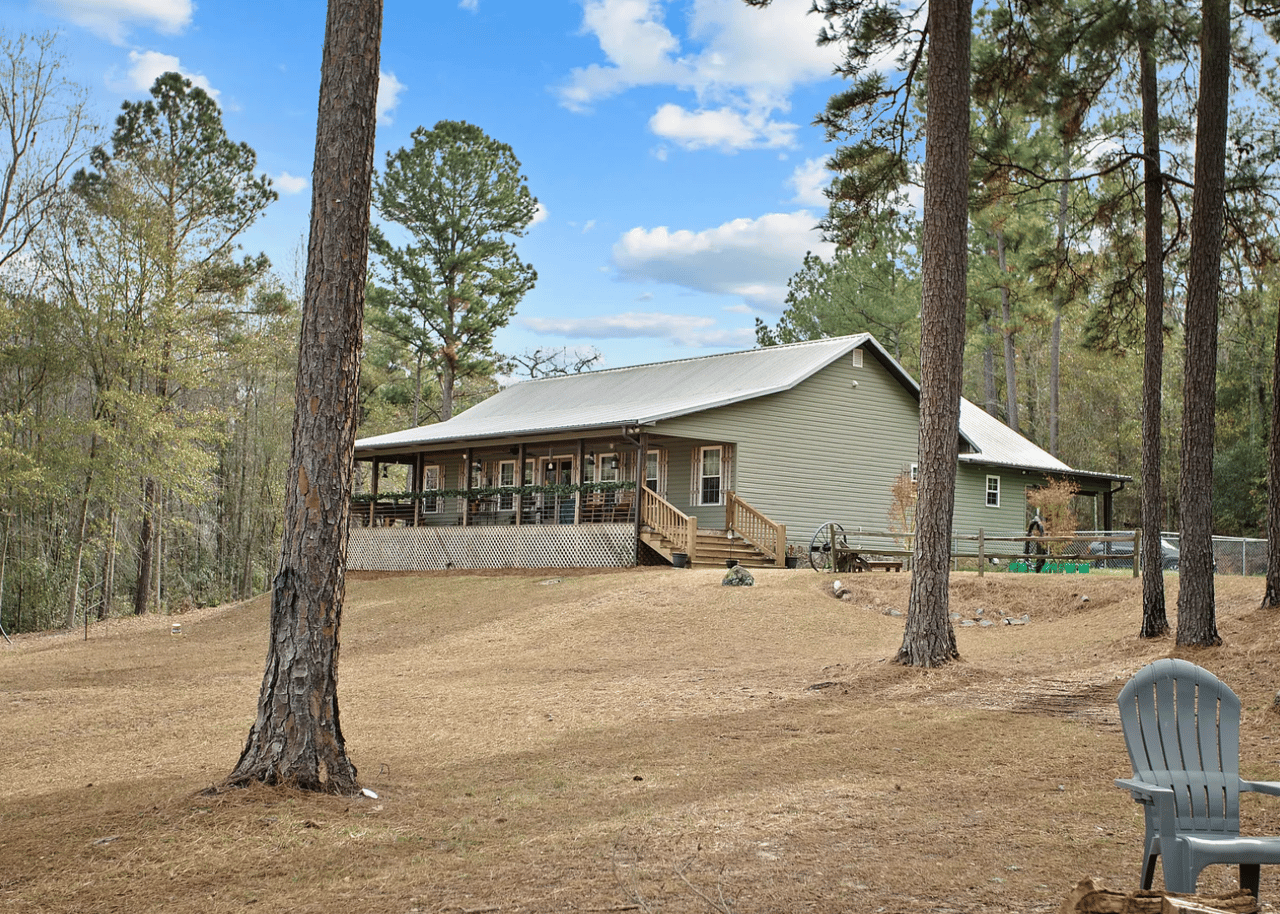
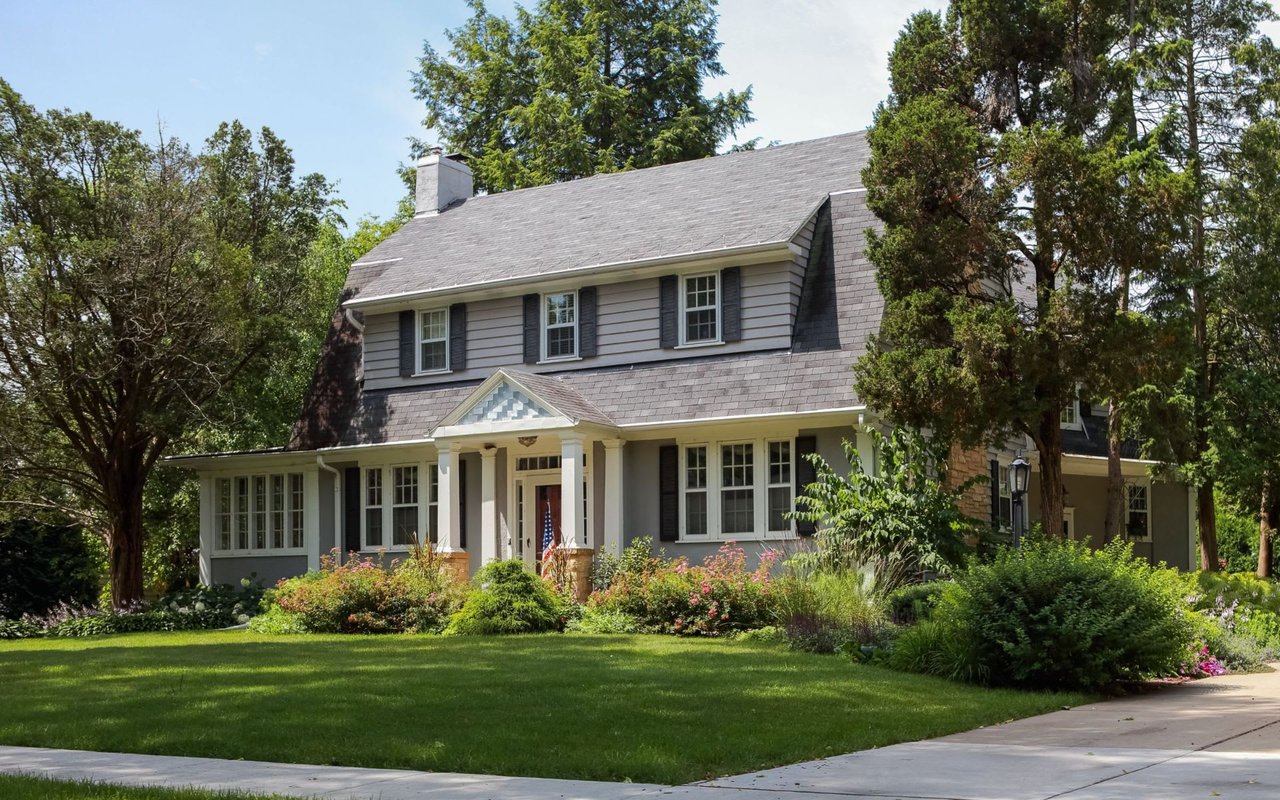
Downsizing before retirement also gives you more room to make a decision from a position of strength instead of urgency. You can compare neighborhoods, consider whether you want to be closer to family, and decide whether you want less land, more privacy, or a lower-maintenance property. In Southeast Georgia, that might mean moving from a larger family home into a smaller custom home in town, a one-level property with easier upkeep, or even a well-chosen acreage property that offers peace without too much maintenance.
Another benefit is that downsizing early can reduce your monthly expenses sooner. That may mean lower utility bills, lower upkeep, lower insurance costs, or fewer surprise repair issues. It can also unlock home equity that you may want to preserve, invest, or use for your next purchase.
That does not mean every homeowner should move before retirement. It means that for many people, earlier planning creates better choices.
“Deb immediately stepped up to the challenge of listing our home and finding our new home. We had a quick turn around and she worked to make sure we were completely satisfied. She knows the area and knows the business. You will not be disappointed!”
When waiting until after retirement may be the better choice
There are situations where waiting until after retirement makes sense. If you are not yet sure where you want to live, it may be wise to hold off until your lifestyle becomes clearer. Some homeowners think they want to downsize immediately, only to realize later that they still want guest space for children and grandchildren, a workshop, a garden, or a little more land than they first expected.
Retirement often changes your daily rhythm more than you expect. Once work is no longer setting your schedule, your priorities can shift. You may travel more. You may want to be closer to healthcare, church, recreation, or family. You may discover that “smaller” matters less than “simpler,” or that “less maintenance” matters more than “less square footage.”
Waiting may also help if the home needs updates before selling and you are not ready to take that on yet. In some cases, homeowners prefer to retire first, settle into the next phase emotionally, and then make a move with a clearer sense of what they actually want. That can be especially true if the current home is already paid off, manageable, and not creating financial strain.
But there is a difference between waiting intentionally and waiting passively. If you delay the decision, it still helps to prepare now. That means understanding your home’s value, looking at what downsizing options exist in your target areas, and thinking honestly about what your ideal next home looks like. Waiting without a plan can leave you reacting later under more pressure. Waiting with a plan gives you flexibility.
The question is not whether there is one perfect answer for everyone. The question is whether your current home still supports the life you want next.
The financial and lifestyle questions you should answer first
Before deciding on timing, you need to answer a few questions clearly. Start with your monthly cost of staying where you are. That includes not just a mortgage, but insurance, taxes, utilities, maintenance, yard care, repairs, and the hidden cost of unused space. A large home can quietly absorb more money than people realize.
Next, think about what you want your next season of life to feel like. Do you want less cleaning and less upkeep? Do you want to be closer to town, medical care, or family? Do you still want a guest room, home office, or space for hobbies? Are stairs a concern? Would you rather have a smaller home on a manageable lot, or a modest house with some acreage and privacy?
Then consider your equity position. Many long-time homeowners are sitting on significant value in their property. Downsizing can turn that equity into freedom. That may help fund the next home, reduce debt, improve cash reserves, or create a more comfortable retirement cushion.
Here are a few useful questions to ask yourself:
- How much of my current home do I actually use every week?
- What does it cost me each month to stay here comfortably?
- Would a smaller or easier home improve my day-to-day life?
- Do I want convenience, privacy, land, walkability, or lower upkeep most?
- Am I making this decision early enough to have good options?
When homeowners answer these honestly, the timing often becomes clearer. The goal is not just to spend less. The goal is to live better.
What downsizing can look like in Southeast Georgia
Downsizing does not always mean moving into the smallest home possible. In this region, it often means finding a better fit. For one homeowner, that might be a move from a large two-story house into a one-level brick home in Statesboro. For another, it may mean leaving a high-maintenance property for a low-upkeep home near shopping, medical care, and everyday conveniences. For someone else, it may mean trading a large family home for a smaller house on acreage where there is still room to breathe, but less house to manage.
That is why local guidance matters. The right fit in Bulloch County may look different from the right fit in Emanuel, Candler, Evans, Screven, Jenkins, or Effingham County. Some homeowners want to stay close to familiar routines. Others are open to a nearby market if it offers better value, a quieter setting, or a property type that suits retirement more naturally.
A smart downsizing plan usually includes three parts. First, understand what your current home would likely sell for. Second, narrow down the type of next home that best supports your goals. Third, time the transition in a way that reduces stress instead of increasing it. That might mean selling first, buying first, or coordinating both carefully depending on your finances and comfort level.
The biggest advantage of planning ahead is choice. When you start early, you are not just reacting to age, maintenance, or life change. You are choosing your next chapter deliberately.
Common misconceptions about downsizing
One common misconception is that downsizing always means sacrificing comfort. It does not. In many cases, homeowners end up with a home that works better because the layout is more efficient, the upkeep is lower, and the property actually supports how they live now.
Another misconception is that waiting is always safer. Sometimes it is. But sometimes waiting means dealing with repairs later, moving under more physical stress, or making decisions during an already emotional season. Time does not always make the move easier. Planning does.
Some people also assume downsizing only makes sense if money is tight. That is not true. Many financially secure homeowners downsize because they want simplicity, flexibility, and less responsibility. The decision is often just as much about lifestyle as it is about finances.
And finally, many people think downsizing is a one-size-fits-all formula. It is not. The right answer depends on your goals, your property, your timeline, and the kind of retirement you want to build.
Important considerations before you make the move
Before you decide, look beyond price alone. Pay attention to layout, access, storage, maintenance, distance to services, and how easy the home will be to live in five or ten years from now. A house that seems perfect today may not feel as practical later if it has stairs, long drive times, or more land than you truly want to maintain.
You should also think through the emotional side. A long-time home usually carries history. That matters. Downsizing is not only a financial decision. It is also a personal one. Taking time to prepare mentally can make the transition easier and help you move forward with confidence instead of regret.
It also helps to start decluttering earlier than you think you need to. The homeowners who handle downsizing best are usually the ones who start sorting and simplifying before the house goes on the market. That reduces stress and makes it easier to present the home well when the time comes to sell.
If you are even considering a move, this is the right time to begin the conversation. You do not have to decide everything today. But you should start evaluating your options while you still have them.
“Debbie made selling our home smooth and easy. Her advice and assistance throughout the whole process was very much appreciated. She was very knowledgeable and easy to get a hold of to answer any of our questions. We will definitely continue to refer family and friends to Debbie in the future!”
FAQ
Is it financially better to downsize before retirement?
For many homeowners, yes. Downsizing before retirement can reduce monthly costs, unlock equity, and make planning easier while you still have active income. The best timing depends on your debt, cash reserves, taxes, and long-term goals.
Should I pay off my current home before I downsize?
Not necessarily. Some homeowners benefit more from selling and using their equity strategically than from waiting to eliminate every debt first. What matters most is how the move fits your retirement budget and overall financial picture.
What kind of home should I look for when downsizing?
Look for a home that fits how you want to live next, not how you lived before. That may mean a one-level home, a lower-maintenance property, a smaller luxury home, or a manageable acreage property with privacy and less upkeep.
If you are asking whether to downsize before or after retirement, you are already asking the right question. For many homeowners, the best move is to start planning before retirement so you have more control, more clarity, and better options. But the right choice is the one that aligns your finances, lifestyle, and future goals.
If you are considering downsizing in Statesboro, Swainsboro, Metter, Claxton, Sylvania, Millen, Guyton, Portal, or the surrounding Southeast Georgia area, Debbie can help you evaluate your current home, your timing, and what kind of next move makes sense for you.
Contact Debbie
Cell: (912) 737-4863
Office: (912) 489-0067
Email: [email protected]