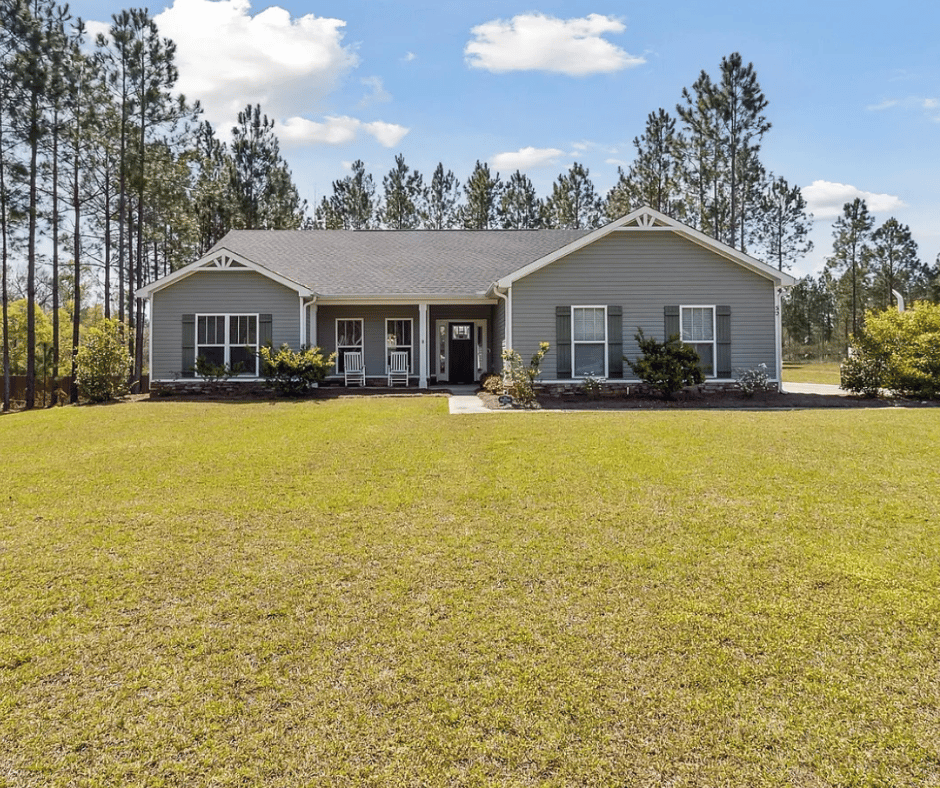
Should I Buy a New Construction or Existing Home in Statesboro?
Buying a new construction home in Statesboro, Georgia, may be the better choice if you want modern features, fewer immediate maintenance concerns, and potential builder incentives. An existing home may offer better value if you prioritize an established neighborhood, a particular location, or flexibility in negotiating the purchase. Neither option is automatically less expensive. The right decision depends on the home's condition, total ownership costs, financing, and your long-term plans.
Is It Better to Buy New Construction or an Existing Home in Statesboro, GA?
- Purchase price: Compare similar properties, not just the advertised prices of new and existing homes.
- Maintenance: New homes generally have newer major systems, but they can still develop problems or need repairs.
- Builder incentives: Some builders offer closing-cost assistance, upgrades, or financing promotions.
- Neighborhood: Existing homes may offer established landscaping and locations unavailable in newer subdivisions.
- Timing: Existing homes and completed new builds may be available sooner than homes still under construction.
- Long-term costs: Taxes, insurance, utilities, association fees, and future repairs should influence your decision.
1. What Does the Statesboro Housing Market Look Like for Buyers?
Statesboro and the surrounding Bulloch County market offer buyers a range of housing options. These include newly constructed properties, recently built homes, and older houses in established residential areas.
According to Redfin, the median home sale price in Statesboro was $261,875 in September 2026, and homes had a median marketing time of 71 days. These numbers describe the broader market, not just new construction.
New construction is also an active part of the local housing supply. A September 13, 2026 listing snapshot published by Momentum Realty identified 91 new-construction listings across Bulloch County, with a median asking price of $293,740. A separate builder-website listing aggregator reported 63 new homes available in Statesboro as of October 22, 2026.
Those figures use different geographic boundaries, reporting dates, and listing sources. They should not be combined or used to conclude that new homes are a specific percentage more expensive than resale homes.
Why Local Inventory Matters
Having both new and existing homes to consider gives buyers an opportunity to compare different features and purchasing terms.
For example, a buyer looking for a three-bedroom home may find a newer subdivision with open floor plans, contemporary kitchens, and standardized layouts. That same buyer might also find an older home with a mature yard, a different floor plan, or a location closer to a preferred destination.
The right comparison starts with properties that actually meet your needs.
A newly built 1,300-square-foot house should not be compared directly with a 2,100-square-foot resale home based only on asking price. Differences in square footage, finishes, lot size, and property condition can significantly affect the price.
Instead, consider what each property delivers for your budget and whether you can realistically afford the full monthly ownership expense.
2. What Are the Advantages of Buying a New Construction Home?
New construction can appeal to buyers who want modern features and would prefer not to begin homeownership with substantial renovation projects.
Newer Systems and Lower Immediate Maintenance Needs
One advantage of a newly completed home is that its roof, heating and cooling equipment, plumbing, electrical components, and major appliances are generally new.
That may reduce the likelihood of certain age-related replacements in the early years of ownership.
However, new does not mean maintenance-free or defect-free. Workmanship problems, incorrect installations, drainage issues, and incomplete items can occur in recently completed houses.
A buyer should still arrange an independent inspection and review the builder's process for correcting identified deficiencies.
Modern Layouts and Features
Many new homes offer features that appeal to today's buyers, including open-concept living spaces, larger kitchen islands, walk-in closets, and contemporary finishes.
Some may also include newer insulation, windows, equipment, or appliances that can improve energy efficiency compared with certain older houses.
Actual operating costs depend on home size, construction quality, equipment efficiency, utility rates, and household behavior. Do not assume every new home has lower utility bills.
Builder Incentives
Builders may offer incentives to attract buyers, especially for completed homes they would like to sell.
Possible incentives include contributions toward closing costs, interest-rate buydowns, design upgrades, or other negotiated terms.
But these promotions are not guaranteed, and some are tied to particular lenders or financing arrangements.
The Consumer Financial Protection Bureau advises buyers of new construction to shop around for mortgage financing rather than automatically accepting the builder's preferred lender.
If a builder advertises a lower interest rate, compare the complete loan estimate, including fees, discount points, loan type, rate-lock terms, and the duration of any temporary buydown.
Builder Warranties
Some newly constructed homes come with written builder warranties covering specified materials, workmanship, or systems for limited periods.
Georgia regulations require licensed residential contractors to offer written warranties for certain covered construction contracts. Coverage and requirements depend on the transaction, and buyers should never assume every resale of a newly constructed home carries identical protection.
Ask for the actual warranty documents before purchasing. Review what is covered, what is excluded, how long coverage lasts, and how warranty claims must be submitted.
3. What Are the Advantages of Buying an Existing Home in Statesboro?
Existing homes can provide a different combination of location, character, price, and flexibility.
For buyers who prefer established neighborhoods or want a property with specific features, an existing house may be the more practical choice.
Established Neighborhoods and Landscaping
One attraction of an existing home is the surrounding environment. Some properties have mature trees, established yards, or outdoor improvements that would take time and money to recreate at a newer property.
Older neighborhoods may also provide a variety of architectural styles and floor plans rather than several similar house designs.
However, an older neighborhood does not automatically mean larger lots, greater privacy, or fewer restrictions. Buyers should verify the actual property boundaries, neighborhood covenants, and relevant conditions.
Potential Pricing Flexibility
Depending on the seller and the property's history, existing homes may offer opportunities to negotiate the price, repairs, closing costs, or closing timeline.
Redfin reported that Statesboro homes sold for approximately 97% of their final listing prices in September 2026. That provides evidence of some negotiation in the overall market, but it does not prove that any particular resale seller will accept a discount.
A home that has recently been listed at a competitive price may attract multiple interested buyers.
Meanwhile, a home that needs repairs or has been listed for an extended period may justify a different offer strategy.
Review recent comparable sales before deciding what to offer.
Ability to Evaluate the Finished Property
With an existing home, you can usually inspect the actual house, observe the lot, see the surrounding streets, and evaluate its current condition before purchasing.
For homes that have been occupied, sellers may also have information about utility use, repairs, equipment ages, and previous maintenance.
That information can help buyers understand expected ownership costs, although it should still be independently verified when material to the purchase.
Possible Improvement Opportunities
Some buyers prefer a home they can update gradually. An existing property may allow you to purchase a suitable location and personalize the finishes later.
However, cosmetic projects and major renovations should be treated differently.
Painting, flooring, and cabinet updates may be relatively straightforward, while roof replacements, foundation repairs, electrical work, or major HVAC upgrades can become expensive.
Always evaluate the cost, timing, and practicality of improvements before assuming that an older home is a bargain.
4. New Construction vs. Existing Homes: Which Costs More?
Looking at the asking price alone can lead to the wrong decision. Buyers need to compare the complete cost of purchasing, occupying, and maintaining each property.
Hypothetical Statesboro Home Comparison
The following example is for illustration only. It is not based on two actual listings or a claim about average new construction premiums in Statesboro.
Expense | New Construction | Existing Home |
|---|---|---|
Purchase price | $300,000 | $275,000 |
Down payment (10%) | $30,000 | $27,500 |
Initial improvement budget | $2,000 | $12,000 |
Illustrative seller/builder credit | $5,000 | $0 |
Principal and interest at an assumed 6.5%, 30 years | About $1,707/month | About $1,564/month |
The interest rate and all figures above are hypothetical, not current mortgage quotes or confirmed incentives.
In this example, the new home has a higher monthly principal-and-interest payment but a smaller initial improvement budget.
The existing home has a lower purchase price but requires additional upfront work.
A complete comparison would also include property taxes, insurance, mortgage insurance when applicable, closing costs, utilities, association fees, maintenance reserves, and the cost of financing improvements.
A $5,000 builder credit might reduce allowable closing costs, but it does not automatically reduce the purchase price or mortgage principal.
Property Taxes and Insurance
Property taxes and homeowners insurance can vary by address, property characteristics, assessed value, exemptions, and coverage selections.
Do not rely entirely on the current owner's tax bill when estimating what you will pay after buying a property.
Request property-specific insurance quotes and review applicable taxes before making a commitment.
Association Fees and Additional Costs
Some newer developments have homeowners associations. Existing neighborhoods may have them as well.
Association fees, use restrictions, future assessments, and maintenance obligations can affect the true cost of ownership.
New construction buyers should also determine whether the quoted price includes appliances, landscaping, window coverings, fencing, and other items they expect.
A model home may contain upgrades that are not included in the standard purchase price.
5. What Should You Check Before Buying New Construction or an Existing Home?
Regardless of age, a home is a significant purchase. Buyers should understand what they are purchasing and the obligations they are accepting.
For New Construction
- Review the builder's reputation and completed projects.
- Ask for the complete list of standard features and upgrades.
- Understand the builder deposit and refund conditions.
- Review the construction timeline and closing provisions.
- Request written warranty documents.
- Schedule an independent professional inspection.
- Compare builder-affiliated financing against other lenders.
If the house is not yet complete, ask what happens if construction is delayed and whether your rate lock or moving plans could be affected.
For Existing Homes
- Review recent comparable sales.
- Obtain a thorough home inspection.
- Evaluate the age and condition of major systems.
- Request relevant disclosures and available repair history.
- Get estimates for significant necessary improvements.
- Investigate drainage, flood risk, and insurance availability.
- Understand the signed contract and due diligence deadlines.
The American Bar Association recommends considering inspections even for newly built homes. Construction quality matters more than the age of the property.
Georgia's construction-defect and warranty rules can involve specific procedures and deadlines. Buyers with legal questions should consult a qualified Georgia real estate attorney.
Common Misconceptions About New and Existing Homes
Misconception: A brand-new house doesn't need an inspection.
Newly constructed homes can have incomplete work or defects. An independent inspection can identify issues before closing.
Misconception: An older home is always less expensive.
Lower purchase prices can be offset by repairs, insurance costs, renovations, or higher operating expenses.
Misconception: Builder financing incentives always save money.
A promotional interest rate or closing-cost contribution should be compared with the total cost of alternative loans.
Misconception: New construction always appreciates faster.
Future appreciation depends on location, supply, demand, property characteristics, and market conditions. Neither new nor existing homes have guaranteed appreciation.
Important Considerations for Statesboro Homebuyers
If you're relocating to Statesboro, buying your first home, or considering a property for a family member attending Georgia Southern University, your individual goals matter more than broad claims about new construction or resale homes.
Think about how long you expect to own the property, the space you need, your commute, the likelihood of future repairs, and how easily you can manage your monthly housing payment.
Compare the actual neighborhoods and houses available to you. A newly constructed house may be a practical fit for one family, while an existing property in a preferred location may be more valuable to another.
It is also worth considering potential resale demand. Floor plans, location, maintenance requirements, and the surrounding housing supply can influence how future buyers evaluate the property.
Your real estate agent can help you compare available listings and recent sales, but decisions about financing, tax consequences, and legal terms should be reviewed with the appropriate professionals.
Frequently Asked Questions
Is new construction more expensive than an existing home in Statesboro?
Not always. New construction may carry a higher asking price, but the difference depends on size, location, features, builder promotions, and the properties being compared. Factor in repairs, insurance, financing, and other ownership expenses to evaluate overall value.
Can I negotiate with a homebuilder in Statesboro?
Yes. Buyers may request price adjustments, closing-cost contributions, upgrades, or financing incentives. Builders are not obligated to offer them, and promotions may have conditions. Compare the complete deal rather than just the advertised incentive.
Do I need a home inspection on a brand-new house?
An independent inspection is advisable. A home can be newly built and still have installation defects, incomplete work, or other problems. Discuss inspection timing and access with the builder before signing a purchase agreement.
Is an existing home a better value than new construction?
It can be, particularly if the location, property condition, and price match your goals. However, an existing home with substantial repair needs may cost more over time than a newly built alternative. Compare the full cost of ownership.
Next Steps: Find the Right Home in Statesboro With Deb Hagan
Choosing between a new construction home and an existing property in Statesboro comes down to understanding what you are buying, what it will cost, and how well it fits your plans.
A new home may offer modern features and fewer immediate replacements. An existing home may provide an established setting, a different layout, or a purchase price that better fits your budget.
Neither option is automatically right for everyone.
If you're ready to compare new construction and existing homes in Statesboro, Bulloch County, or nearby communities, Deb Hagan can help you review available properties, compare sales, and navigate the purchasing process.
Contact Deb Hagan
Cell: (912) 737-4863
Office: (912) 489-0067
Email: [email protected]
Contact Deb to explore new construction and existing homes available in the Statesboro area.
Research and Sources
- Redfin — Statesboro Housing Market
- Momentum Realty — Bulloch County New Construction Snapshot
- All New Homes — Statesboro Builder Inventory
- Consumer Financial Protection Bureau — Finding the Right Home
- Georgia Attorney General — Home Building and Repairs
- Georgia Rules — Written Construction Warranties
- American Bar Association — Home Purchase Considerations
Market data referenced as of October 23, 2026. Prices, listings, and incentives change. Financial examples are hypothetical and not loan quotes. Verify property-specific information and contract terms before purchasing.