How Private Is Private Land Really? What to Check Before Buying Acreage
“Private land” isn’t always as private as it sounds. While acreage can offer more space and separation, true privacy depends on factors like neighboring properties, road access, zoning, and land layout. Before buying, you need to verify what surrounds the property, who can legally access it, and how the land is positioned.
How Private Is “Private Land” Really—and What Should You Check Before Buying?
- Privacy depends on layout, not just acreage size
- Road frontage and easements can limit seclusion
- Nearby development or neighbors may impact long-term privacy
- Zoning and land use determine what can be built around you
- Topography (trees, elevation) plays a major role in visibility
Buying acreage in areas like Statesboro, Swainsboro, Metter, Claxton, Sylvania, Millen, Guyton, or Portal can absolutely provide more privacy—but only if you evaluate the right things upfront.
Many buyers assume that more land automatically equals more privacy. In reality, two 10-acre properties can feel completely different depending on how they’re positioned, what surrounds them, and how the land is used.
This is where most mistakes happen—buyers focus on acreage size instead of how that land actually functions.
Why Acreage Alone Does Not Guarantee Privacy
The number of acres listed on a property doesn’t tell you how private it actually feels day-to-day.
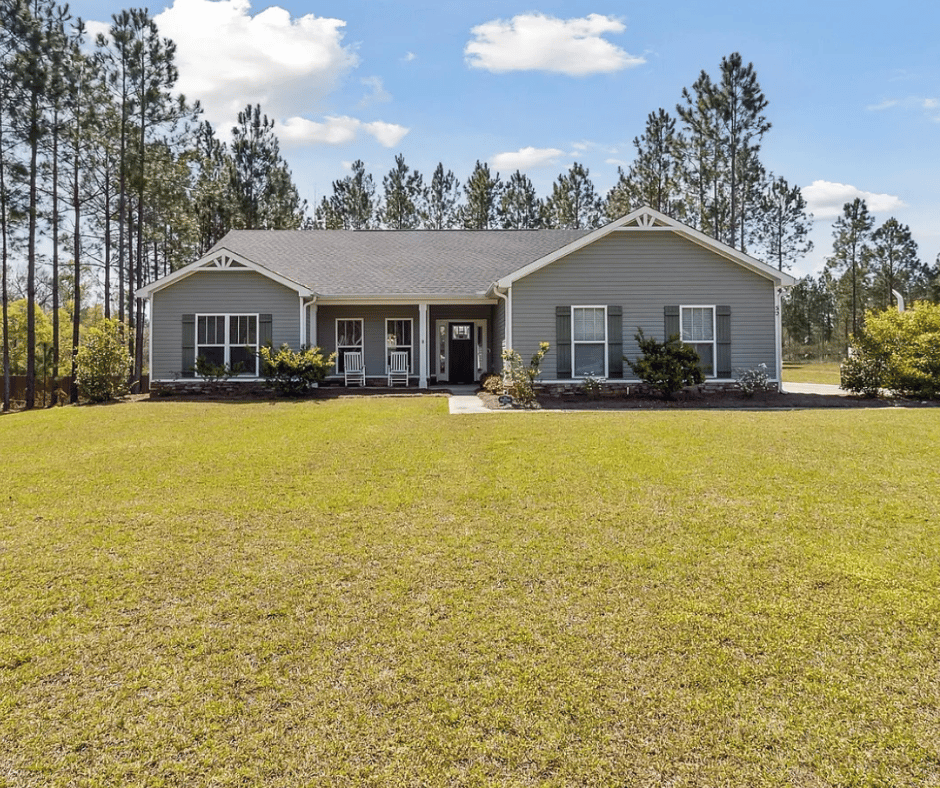
For example, a 5-acre parcel with dense tree coverage and no nearby homes can feel significantly more private than a 15-acre property that sits along a main road with open visibility.
Privacy is created by:
- Natural buffers like trees, woods, or elevation
- Distance from neighboring homes
- Position of the house on the land
- Road exposure and traffic
- Surrounding land use
In Southeast Georgia, especially in counties like Bulloch, Emanuel, and Effingham, land can vary widely. Some properties are heavily wooded and secluded, while others are open farmland or located near growing residential areas.
The key is understanding what you’re actually buying—not just how much of it there is.
“My name is Jennifer and Mrs. Debbie was the best. I came to her not knowing where to start and she most definitely helped me along the way. Any questions I had they were answered. I greatly appreciate her and her team. Definitely recommend.” — Jennifer
Access, Roads, and Easements: The Hidden Privacy Factors
One of the biggest surprises for buyers is realizing that “private land” doesn’t always mean exclusive access.
Here’s what you need to verify:
- Road frontage: Is the property directly on a public road or accessed by a shared/private road?
- Easements: Are there legal rights allowing others to cross the property?
- Driveway placement: Does the entrance expose the home to visibility or traffic?
An easement, for example, might allow a neighboring property owner—or even a utility company—to access part of your land. That can significantly impact how private the property actually feels.
In rural areas like Millen or Sylvania, it’s not uncommon to see shared driveways or access agreements. These aren’t necessarily bad—but they must be understood upfront.
If privacy is your priority, these details matter just as much as acreage size.
What Surrounds the Property Matters More Than You Think
Privacy isn’t just about the property itself—it’s about what’s around it now and what could be there later.
Before buying, you should evaluate:
- Adjacent properties (residential, farmland, commercial)
- Vacant land that could be developed
- Nearby roads or planned infrastructure
- Noise sources (traffic, farming operations, industry)
A property may feel private today, but if surrounding land is undeveloped, that can change.
For example, in growing areas like Guyton or parts of Bulloch County, expansion is happening. What looks like open land now could become residential development in the future.
This doesn’t mean you should avoid these areas—it just means you need to understand the trajectory.
Topography and Land Features That Create Real Privacy
Some of the most overlooked factors in privacy are the physical characteristics of the land itself.
Key features that increase privacy:
- Wooded areas or tree lines
- Elevation changes (hills, slopes)
- Setback distance from the road
- Natural barriers like creeks or wetlands
These elements create natural separation that you can’t always replicate later.
Open, flat land may look appealing, but it often offers less privacy unless you invest in landscaping, fencing, or additional improvements.
On the other hand, wooded acreage in areas like Candler or Evans County often provides immediate privacy without additional work.
“Wonderful agent, wonderful experience. Always available and very helpful. Never grew tired of my endless questions and concerns. Even though we were super picky, she still never pushed us to buy what wasn’t right for us (in fact she saved us from buying something that was definitely not right for us). We highly recommend Deb for your real estate needs!”
Important Considerations Before You Buy Acreage for Privacy
If privacy is one of your top priorities, you need to approach acreage differently than a typical home purchase.
Before moving forward, make sure you:
- Walk the entire property—not just the home site
- Review surveys and property lines carefully
- Ask about easements and access rights
- Research zoning and future land use plans
- Evaluate surrounding properties, not just the listing
This is where working with someone experienced in rural and acreage properties becomes critical. These details are often missed in standard transactions but make a major difference in long-term satisfaction.
FAQ
Does more acreage always mean more privacy?
No. Privacy depends on layout, location, and surroundings—not just the number of acres.
Can someone legally access my land if I own it?
Yes, if there are easements or shared access agreements in place. Always verify this before buying.
How can I increase privacy after buying land?
You can add fencing, plant trees, or reposition structures—but natural privacy features are usually more effective and cost-efficient.
Next Steps
If you’re considering buying acreage and want help evaluating whether a property is truly private, it’s worth having a conversation before making a decision.
Deb Hagan Contact:
• Cell: (912) 737-4863
• Office: (912) 489-0067
• Email: [email protected]
The right property isn’t just about how much land you have—it’s about how that land actually works for your lifestyle.