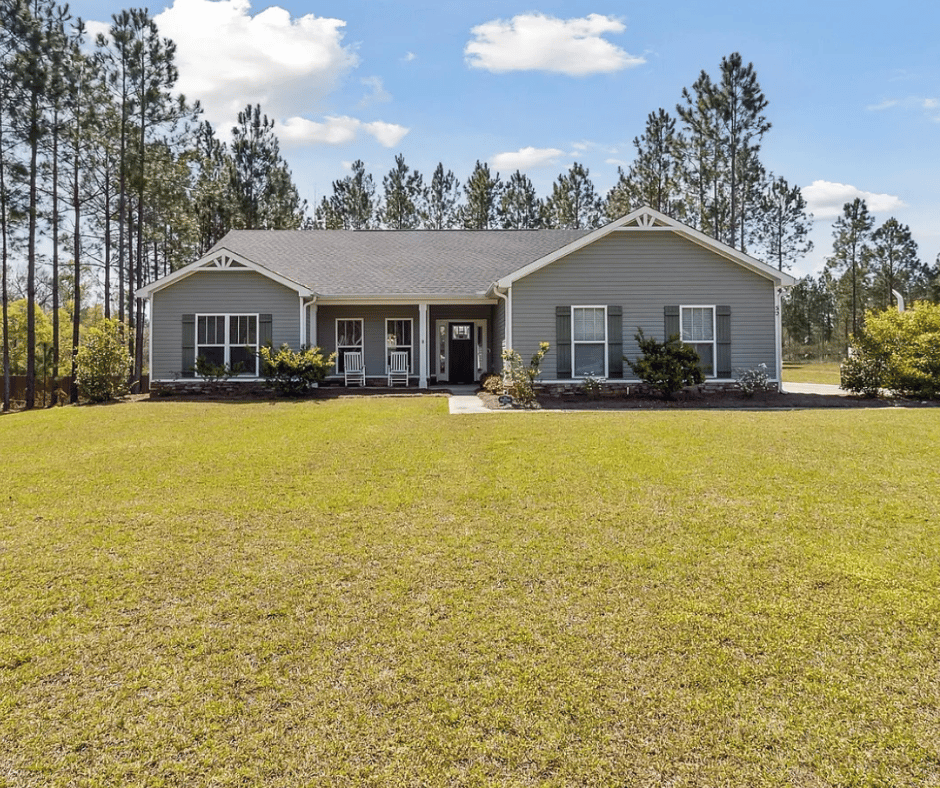
How Do I Sell a Home with Acreage without Leaving Money on the Table?
How do I sell a home with acreage without leaving money on the table?
- Price for the buyer type: hobby farm, privacy seeker, equestrian, investor, multi-generational, etc.
- Lead with land clarity: access, road frontage, boundaries, floodplain, utilities, and improvements.
- Fix “risk” items first: roof leaks, water intrusion, safety hazards, obvious deferred maintenance.
- Package the property: clean photos, map views, labeled features (barn, fencing, pond, pasture, trails).
- Market beyond the immediate neighborhood: acreage buyers often search regionally, not street-by-street.
- Control the showing experience: clear drive path, gate access, signage, and feature highlights.
1) Price it like an acreage property (not just a house with “extra dirt”)
One of the fastest ways to leave money on the table is pricing your property using only nearby house comps. Acreage buyers value things that standard comps don’t capture well: usable land, privacy, improvements, access, and the lifestyle the land enables.
A practical way to think about pricing is: you’re selling two assets—the home and the land—and the “land” portion isn’t one-size-fits-all. Ten acres that are flat, fenced, and usable do not feel the same as ten acres that are mostly floodplain or hard to access.
In Southeast Georgia markets like Statesboro, Swainsboro, Metter, Claxton, Sylvania, Millen, Guyton, and Portal, acreage pricing can vary widely because buyer motivations vary widely. The right pricing plan usually includes:
- Comparable sales with acreage (even if they’re a bit farther out)
- Adjustments for usability (pasture vs. timber vs. wet areas, fencing, ponds, barns)
- A buyer-pool strategy (who is most likely to pay a premium for what you have)
- A feedback plan for the first 2–3 weeks (showings, inquiries, and what buyers consistently ask)
If you price too low, you may get fast activity—but not necessarily the best net. If you price too high without a strategy, you lose early momentum, and “stale listing” discounts can follow. The goal is a confident, defensible price supported by clear land facts and strong presentation.
2) Make the land easy to understand (buyers pay more when they feel certain)
Acreage buyers aren’t just buying square footage—they’re buying clarity and confidence. When key land questions are unanswered, buyers protect themselves by offering less, delaying, or walking away.
Before you list, tighten up the “land story” so buyers can quickly say, “Yes, this fits.” That usually means clearly communicating:
- Access & frontage: how you enter, where gates are, what roads serve it
- Boundaries: approximate corners and lines, and whether a survey is available
- Utilities: power, water source (well/county), septic/sewer, internet options
- Usability: open pasture vs. wooded vs. mixed, any low/wet areas, drainage
- Improvements: fencing, barns, pole barns, sheds, ponds, trails, deer stands, etc.
- Restrictions: HOA (if any), known easements, access agreements, zoning considerations
You don’t have to overcomplicate it. You just need to remove uncertainty. Clear maps, feature labels in photos, and a clean summary of what the land offers can be the difference between “interesting” and “I need to see this now.”
3) Fix what scares buyers (and skip what won’t come back in your net)
Especially for sellers 55+, the smartest pre-list work is the work that reduces buyer doubt. On acreage properties, buyers already have more moving pieces to evaluate—so anything that looks like deferred maintenance becomes a red flag.
High-impact “risk reducers” often include:
- Roof leaks or visible roof wear
- Water intrusion, soft spots, or known plumbing issues
- Electrical or safety hazards
- HVAC that doesn’t function properly
- Obvious wood rot on exterior trim/decks
- Overgrown drive paths or inaccessible features (buyers can’t value what they can’t reach)
What you can often skip: trendy cosmetic upgrades that don’t match the buyer pool. Acreage buyers may prioritize land function over “latest finishes.” If you’re going to spend money, spend it where it protects appraisal, financing, and buyer confidence.
4) Market it where acreage buyers actually shop (and package it like a premium listing)
Acreage buyers frequently search by county, drive time, school zones, lifestyle goals, and land features—not just by subdivision. That’s why presentation matters so much: your listing has to “read” correctly in the first 10 seconds.
To protect your price, your marketing should do three things immediately:
- Show the property’s layout: aerial views, map context, and feature callouts
- Highlight the lifestyle: privacy, room for equipment, horses, gardens, hunting, or multi-gen space
- Make it easy to tour: directions, gate access instructions, and a clear path to key land features
When the marketing is tight, you don’t just “get showings.” You get the right showings—buyers who can afford it, want it, and are willing to compete for it.
“We had a great experience working with Deb Hagan to sell our home. She was professional, knowledgeable, and easy to work with. She kept us well informed throughout the entire process, and offered great advice. She had our best interests in mind, and the results spoke for themselves. We highly recommend Debbie to anyone looking to buy or sell a home!”
Common misconceptions that cost acreage sellers money
- “More acres automatically means more value.” Usability matters more than acreage count.
- “I’ll just price high and negotiate down.” Early momentum is where you earn premium offers.
- “Buyers will figure out the land details during due diligence.” Uncertainty usually lowers offers upfront.
- “The house is the main thing.” Many acreage buyers start with land needs first, home second.
Important considerations before you list
- Access & showings: If you have gates, long driveways, or multiple entry points, plan it.
- Documentation: Gather any survey, well/septic info, permits, and records of land improvements.
- Boundaries: If corners are unclear, consider marking approximate lines for easier touring.
- Land features: Make ponds, barns, fencing, and trails easy to see and easy to access.
- Buyer fit: Decide whether your best buyer is lifestyle-based, agriculture-based, or investment-based—then market accordingly.
“Deb was great to work with on the sale of our house. She worked fast to get pictures up of the house and coordinated well with us on upcoming showings. She was very involved throughout the closing process and made the entire process a breeze. Would definitely recommend her and use her again in the future!”
FAQ
Should I sell my acreage property “as-is” or make improvements first?
It depends on the condition and the buyer pool you’re targeting. Prioritize repairs that reduce buyer risk (leaks, safety issues, obvious deferred maintenance). Skip upgrades that won’t appraise or won’t matter to land-focused buyers.
How do you price a home with acreage if there aren’t many comparable sales?
You expand the comp search thoughtfully and adjust for land quality and usability—access, frontage, floodplain, improvements (fencing/barns/ponds), and utilities. In thin markets, pricing is both analysis and strategy: you start strong, then use early buyer feedback to stay positioned.
What documents should I have ready when selling a home with land?
If you have them, a survey and well/septic records help. Also gather utility details, easements/access info (if any), and a clear list of land improvements (fencing, barns, sheds, ponds, pasture/timber notes). The goal is to remove uncertainty for buyers.
Next steps
If you’re considering selling a home with acreage in Statesboro, Swainsboro (Emanuel County), Metter (Candler County), Claxton (Evans County), Sylvania (Screven County), Millen (Jenkins County), Guyton, or Portal, the fastest way to protect your bottom line is to start with a clear pricing and positioning plan.
Deb Hagan
Cell: (912) 737-4863
Office: (912) 489-0067
Email: [email protected]